It has been a while since my last article, where I shared the story of my transition from Application Engineer to Business Consultant at AutoForm. That shift, which took place in 2022, marked a pivotal moment in my career, bringing me closer to the strategic core of our customers’ operations. If the Application Engineer role focused on mastering the technical “how,” the Consultant role is about understanding the strategic “why” and “what if.”
It is a role that has deepened my professional engagement and, quite literally, taken me around the world.
The Value Engagement Projects: Deepening Customer Relationships
The most significant change in my day-to-day work as a consultant has been the increase in direct customer engagement. My work is now closely connected to our Value Engagement Projects (VEP). These initiatives go far beyond software implementation. They are collaborative partnerships with automotive manufacturers designed to digitalize and optimize their stamping and Body-in-White (BiW) assembly processes.
In automotive manufacturing, every minute and every iteration matters. The traditional process of physical tryout loops consumes significant time and resources. Our VEPs are designed to address this challenge directly. By integrating advanced simulation tools and strategic process improvements into the customer’s workflow, critical decisions can be moved from the physical shop floor into the virtual environment.
The results we are achieving are not incremental but transformational. Through these projects, we help customers reduce their tryout loops by more than half. This represents major savings in time, material, and energy during the tool development stage. It also shortens the time-to-market for new vehicle models.
Being able to sit with decision-makers, demonstrate measurable results, and help drive this transformation has been the most rewarding aspect of my journey as a consultant.
A New Horizon: VEPs in India
The year 2025 has brought a new dimension of global collaboration, particularly with our local team in India. I had the opportunity to travel there twice this year to launch and support major VEP initiatives with key automotive manufacturers.
India’s automotive engineering landscape is dynamic and fast-moving. The commitment to digitalization and advanced manufacturing strategies is clearly visible. During these visits, I worked closely with local teams, learning about their specific operational challenges and adapting our VEP approach to the needs of the Indian market.
It was exciting to see our technology applied on such a large scale and to collaborate with engineers who are eager to push the future of manufacturing forward.
These projects reinforced an important lesson: while the challenges of stamping and assembly are universal, the solutions must always consider local realities. The VEP framework proved flexible and robust, allowing us to quickly identify bottlenecks and implement simulation-driven solutions. As in other regions, we expect to achieve tryout loop reductions of up to 60 percent.
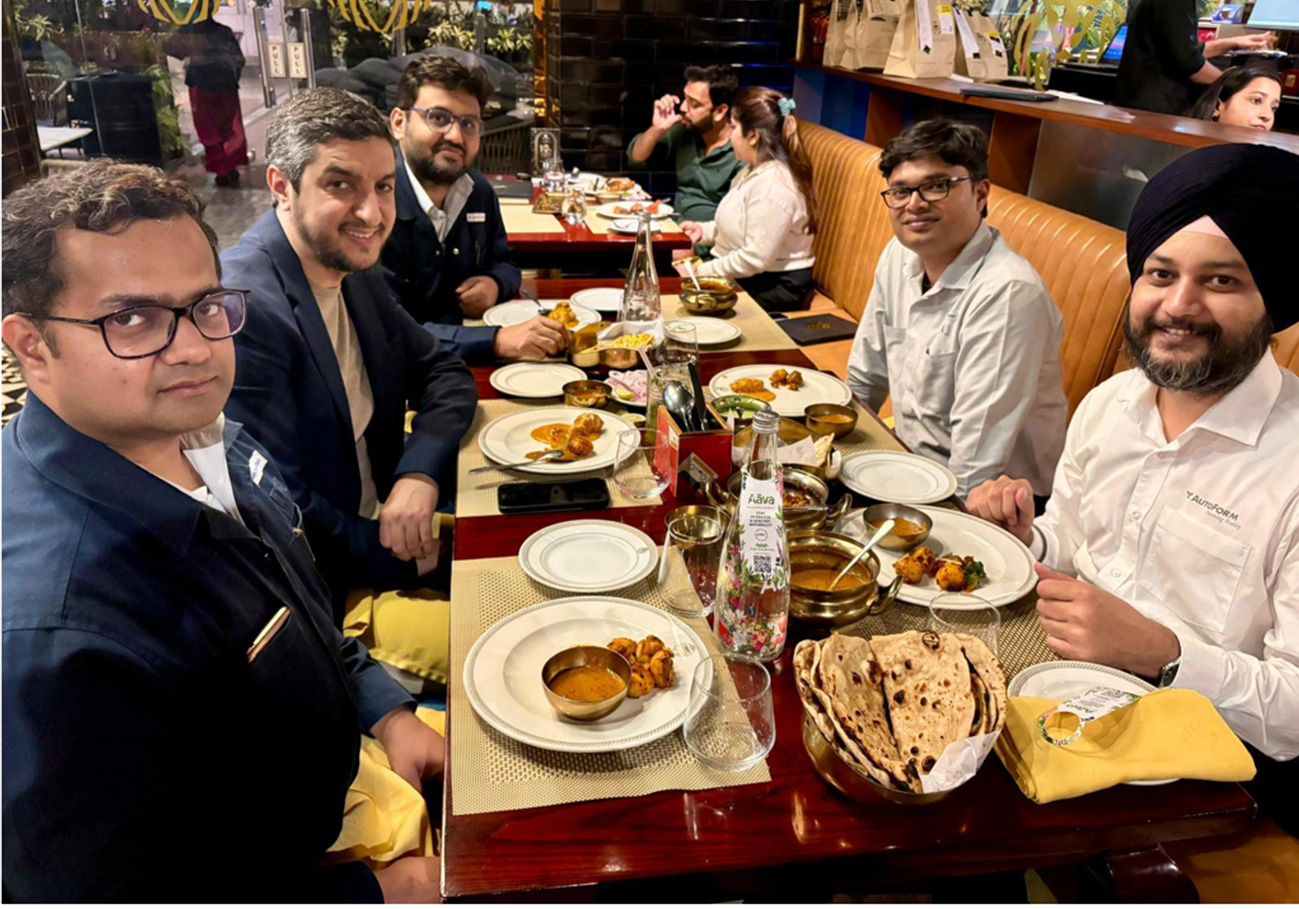
Fig. 1: Dinner with customers in Delhi
Personal Discovery: My First Time in India
Beyond the technical meetings and project discussions, these trips were also my first opportunity to visit India. The experience was as personally enriching as it was professionally meaningful.
From the moment I stepped outside the airport, I was struck by the incredible energy of the country. The mix of sounds, colors, and movement creates a vibrant atmosphere unlike anything I had experienced before. The organized chaos of city traffic, the richness of the architecture, and the sheer scale of the cities made every moment feel like a discovery.
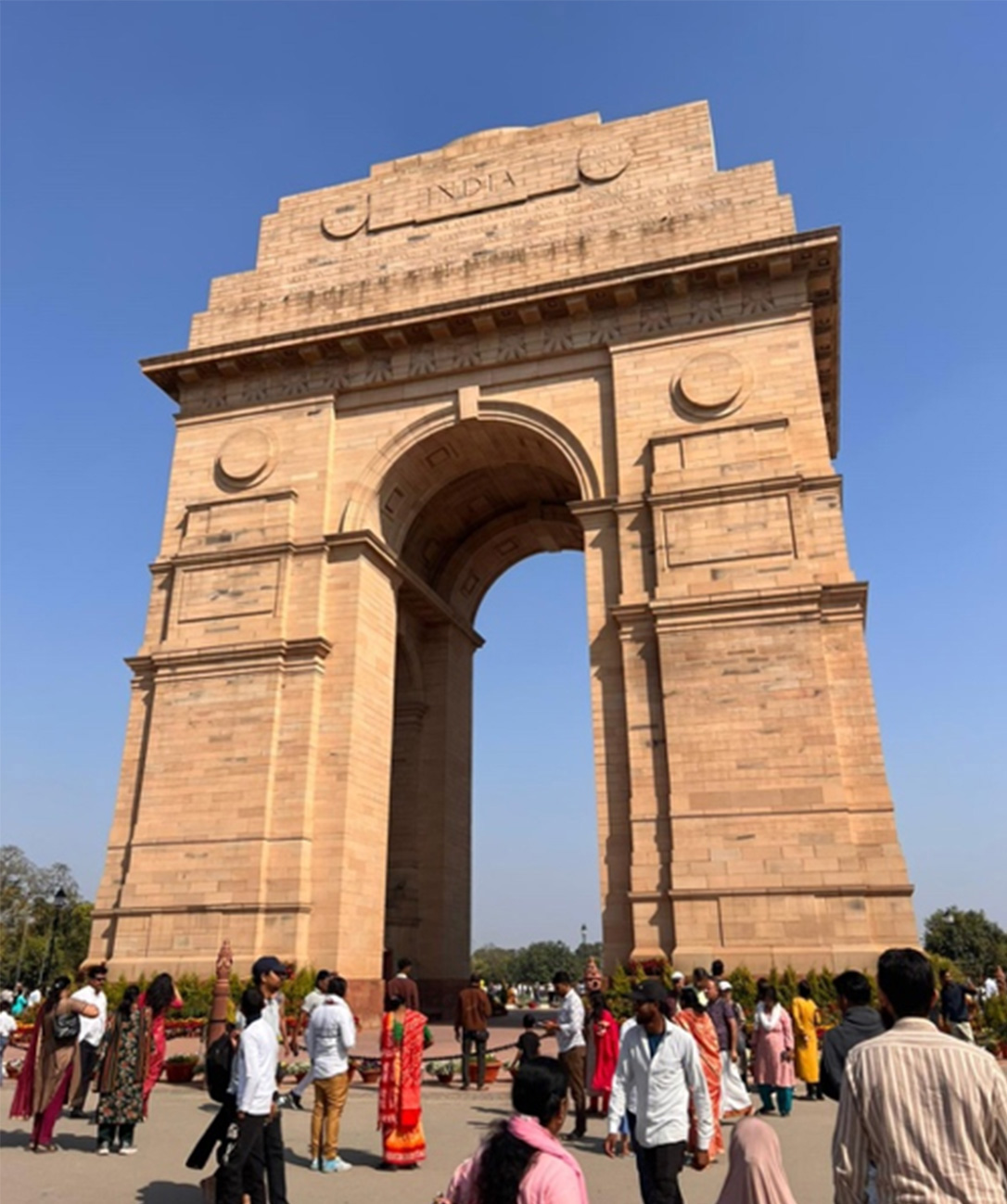
Fig. 2: India Gate in New Delhi, one of the city’s most recognizable landmarks
What left the strongest impression, however, was the warmth and hospitality of the people. The cultural richness is overwhelming, in the best possible way. After long days of project meetings, evenings were often spent exploring local markets, discovering Indian cuisine, and learning more about the history of the cities I visited, including Delhi, Chennai, and Pune.
This personal journey has been an unexpected dividend of my career change. It’s easy to get lost in the technical details of simulation and digitalization, but travel has allowed me to step back and appreciate the broader human context in which we operate. It has expanded my perspective, strengthened my cross-cultural communication abilities, and deepened my appreciation for the global nature of our industry.
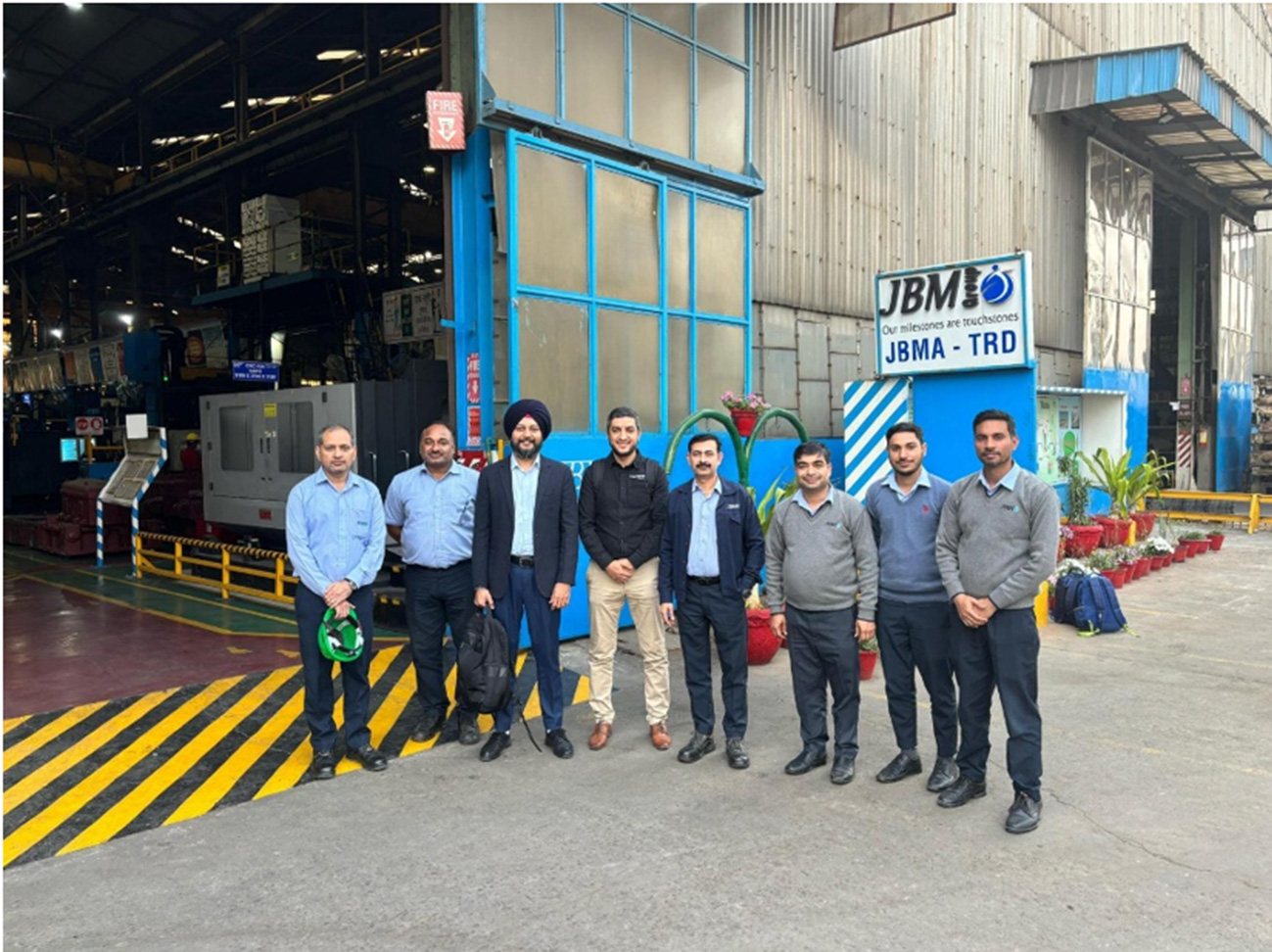
Fig. 3: Visit to JBM Group’s manufacturing facility during the Value Engagement Project in India
During the trip, I also had the chance to explore some of the remarkable historical sites that reflect India’s long and fascinating history.
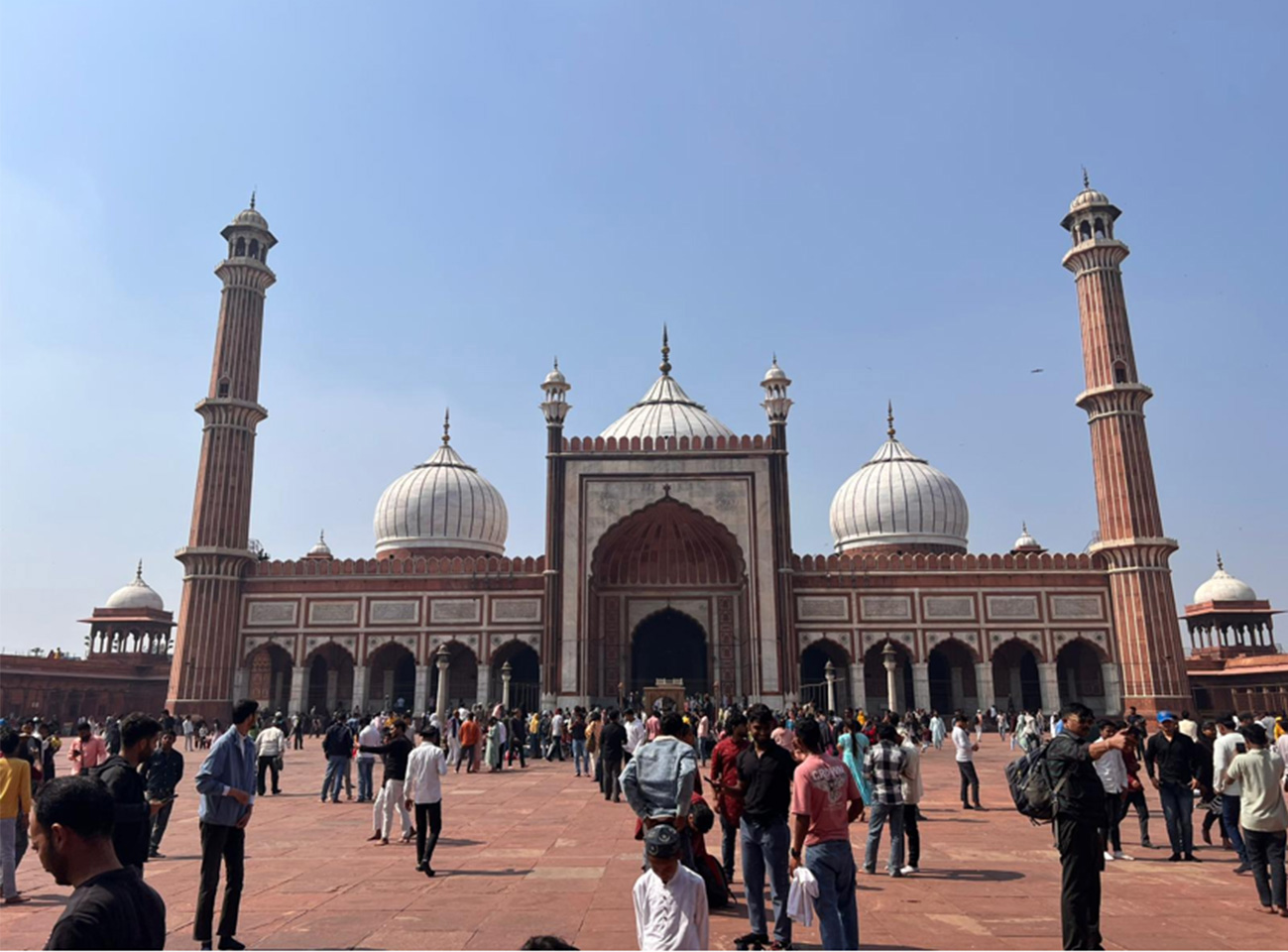
Fig. 4: Qutb Minar in Delhi, a UNESCO World Heritage Site and one of the oldest surviving monuments in the region
Looking Ahead
My transition to Business Consultant was a leap toward a more customer-facing and strategic role. The goal was to connect the technical power of simulation with tangible business value for our customers.
Today, the journey has exceeded my expectations. It has allowed me to contribute directly to improving the efficiency of global automotive manufacturers, support major engineering transformations, and collaborate with talented people across different cultures and regions.
Value Engagement Projects continue to evolve, and with them, so does my role. I look forward to the next chapter of this journey and to discovering where the work will take me next.