Introduction

Accuracy and reliability are paramount in automotive manufacturing. Manufacturers continuously optimize parts, tools, and processes to minimize errors and costs while adhering to stringent standards. An often-overlooked factor in the pursuit of precision is the material card, a data-driven representation of the raw material’s properties that dictates the behavior of a material during the manufacturing process.
In this article, we explore the role of material cards, the associated challenges, and how Automotive Center Südwestfalen(ACS) together with AutoForm, addresses these issues by conducting joint seminars to familiarize users and engineers with the mechanics behind material cards.
The Role of Material Cards in Automotive Manufacturing
Material cards are essential components in the development and simulation of automotive parts. They capture key properties that directly influence the forming behavior of materials. The data contained in a material card is derived from various mechanical tests and numerical models, including hardening curves, stress space, and necking behavior.
Additionally, these material cards can be integrated into simulation software to digitally replicate a material’s behavior under forming stresses.
The information presented in a material card can be highly technical and detailed, which may overwhelm many engineers who are either new to the process or lack the necessary technical background to fully comprehend the data. This uncertainty often results in engineers opting for default or outdated material cards that, depending on process maturity, may not be the most suitable choice for their specific requirements.
The Business Problem: Uncertainty and Inaccuracy in Material Card Usage
It is understandable that the sheer volume of graphs and curves in material cards can be intimidating. This complexity often leads engineers to select default material cards without thoroughly assessing their suitability or relevance for specific tasks inside the sheet metal forming process chain. Many engineers tend to choose the nearest available material card based on a rough match of material grades, without considering how deviations in certain parameters could affect part performance during production.
However, default material cards can present several challenges. These problems become accentuated in industries such as automotive manufacturing, where materials may be sourced from various suppliers and production facilities.
Even materials of the same grade can exhibit significant variations in behavior due to factors such as the manufacturing process and the equipment used. These discrepancies can result in differences between simulation outcomes and real-world performance.
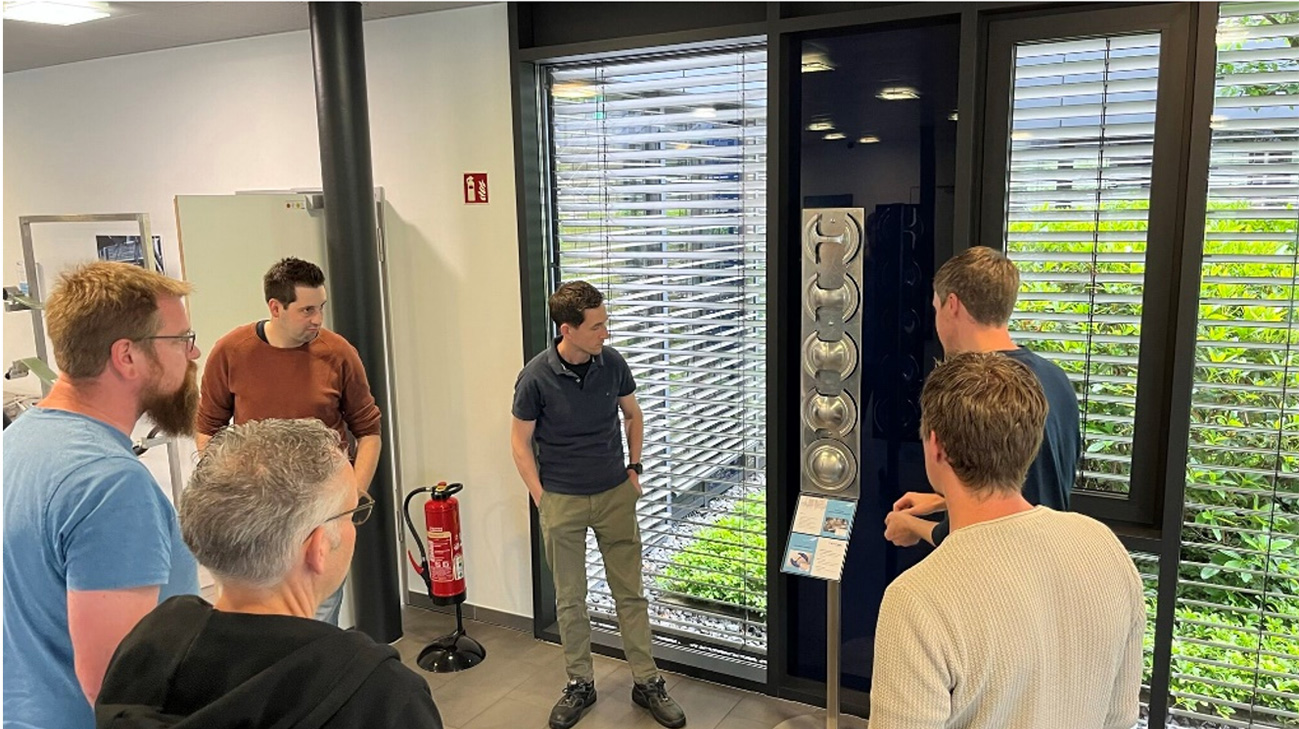
Moreover, the inaccuracies of a material card may not always be evident early in the development process, but they can become critical once the part enters full-scale production. For instance, a part may develop cracks during production that were not predicted in the simulation. In such cases, the underlying issue could be an inaccurate material card that did not reflect the material’s behavior under real-world conditions.
Sources of Deviations in Material Cards
Suppliers manufacture materials that possess a specific range of properties. For some suppliers, this range is relatively narrow, while for others, it may be quite broad. As a result, even when two materials share the same grade, their mechanical properties—such as yield strength, elongation, and formability—may differ. Additionally, different plants within the same supplier network can produce materials with slightly varying characteristics, further complicating the selection of an accurate material specification. The impact of such phenomena can also be examined through a robustness analysis.
Another common issue is the use of outdated material cards. Manufacturing processes evolve over time, as do the properties of the materials themselves. A material card that was accurate at one point may no longer accurately represent the material’s current behavior. It is also possible that a material map was created using outdated models and that much more up-to-date and accurate models are available today.
Thus, engineers need to continuously reassess the suitability of their chosen material cards, ensuring that they align with the most current data and manufacturing realities. To facilitate this process, engineers need to cultivate a thorough understanding of the various terms and tests associated with a material card.
Frustration Points in Using Material Cards
Despite their significance, material cards frequently leave engineers feeling frustrated and overwhelmed. The intricate data, combined with a lack of understanding of the underlying principles, causes many engineers to either avoid using material cards or resort to default data cards without evaluating their accuracy. This hesitation arises from the belief that material cards are highly technical and require deep knowledge of complex concepts, which many engineers may not possess.
Besides, smaller companies do not have access to the same level of resources as larger original equipment manufacturers (OEMs) and often face additional challenges in obtaining the material data necessary for precise simulations. This disparity in resources further complicates the process of selecting the appropriate material card and developing a simulation that accurately reflects real-world performance.
ACS’s Approach to Addressing Material Card Challenges
ACS, together with AutoForm, addresses these challenges by familiarizing engineers with material cards. It teaches them to critically evaluate and, if necessary, replace these cards to enhance their simulations’ accuracy. While many training courses in this field focus solely on theory, the joint seminar from ACS and AutoForm integrates theoretical knowledge with practical experience.
Their training program starts with the fundamentals of material behavior, introducing engineers to essential concepts such as tensile strength, strain rate, and flow curves. Gradually, they equip engineers with the tools necessary to understand, modify, and even create their own material cards based on mechanical testing.
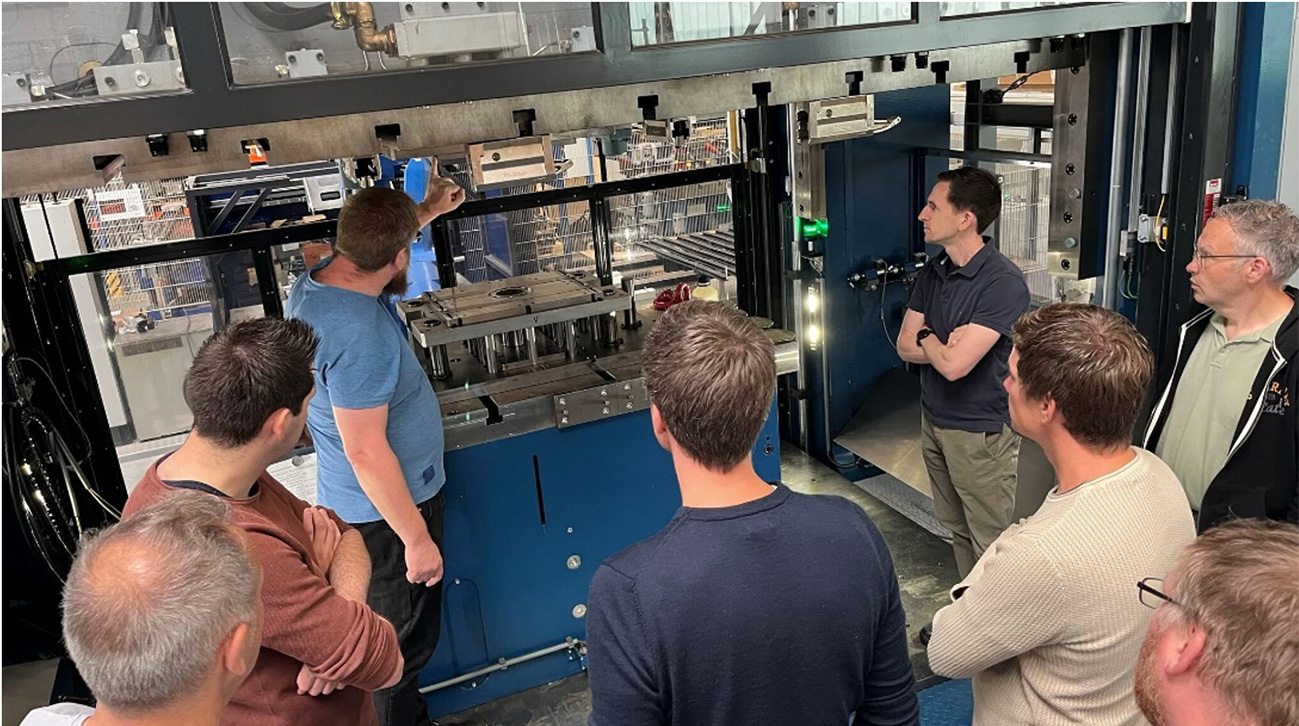
One powerful tool utilized during the workshop is AutoForm’s material card editor, which enables engineers to import and modify material data. The software provides a variety of options for generating flow curves, including the ability to input test data, approximate it, or derive model parameters. Engineers can also compare default material cards with modified versions or with material cards provided from different suppliers and analyze how minor adjustments can impact the final outcome. Through these exercises, engineers become familiar with the sensitivity of their material cards and use this knowledge to ensure a strong alignment between the material card and the material in use.
The workshop also covers associated concepts, such as specimen preparation, to ensure the generation of reliable material data. Even simple tasks, such as marking the rolling direction on a specimen, can become a source of failure if done incorrectly. ACS offers training on best practices for specimen preparation, material handling, and testing procedures to ensure that the material data accurately reflects the true behavior of the material. Serious material data is required for serious results.
The curriculum ensures that engineers are comfortable experimenting with material card data to meet their needs. Even when discrepancies arise between simulation results and real-world performance, the material card should be one of the first elements engineers examine. An incompatible material card could very well be the source of these discrepancies.
Summary
Material cards play a crucial role in the development of stamping processes in the automotive industry. Understanding and managing them is not merely a technical skill; it is a vital aspect of ensuring accuracy and reliability in automotive manufacturing. Engineers who invest time and effort into learning about material behavior and how to check the correctness of the material cards early in the process will be better equipped to navigate the complexities of the manufacturing process, as material cards are a major input.
ACS’s approach to training, using robust software tools, enables engineers to gain a comprehensive understanding of material data. The workshop combines basic theoretical knowledge with practical experiments to familiarize users with the rationale behind material cards. Through these seminars, users can develop the critical skills necessary to ensure the accuracy of material cards.
This approach fosters prudent decision-making during simulations and reduces costly mistakes during production. As a result, the production process becomes smoother, confidence in the materials used increases, and the final products are more reliable.
The shift towards a meticulous and detailed approach to material card selection is not merely a personal enhancement for engineers; it can lead to a company-wide transformation that enhances efficiency and minimizes costly errors in the long run.