Seeing the Gap First-Hand: Why Stamping Engineers Must Go Deeper with TriboForm
I recently had the opportunity to participate in a friction and wear event co-hosted by Mondragon University in Spain, designed to provide stamping engineers in the Bilbao area with the latest insights into simulation and forming performance. What struck me most wasn’t the research itself, but how many engineers were already familiar with AutoForm-TriboForm, our advanced surface roughness, lubrication, and friction analysis software, yet were using only a fraction of its capabilities.
The core message of the event was clear: if you have the tools, use them to their full potential. Dive deeper, integrate advanced friction modelling into your everyday workflow, and don’t wait for problems to force you into action.
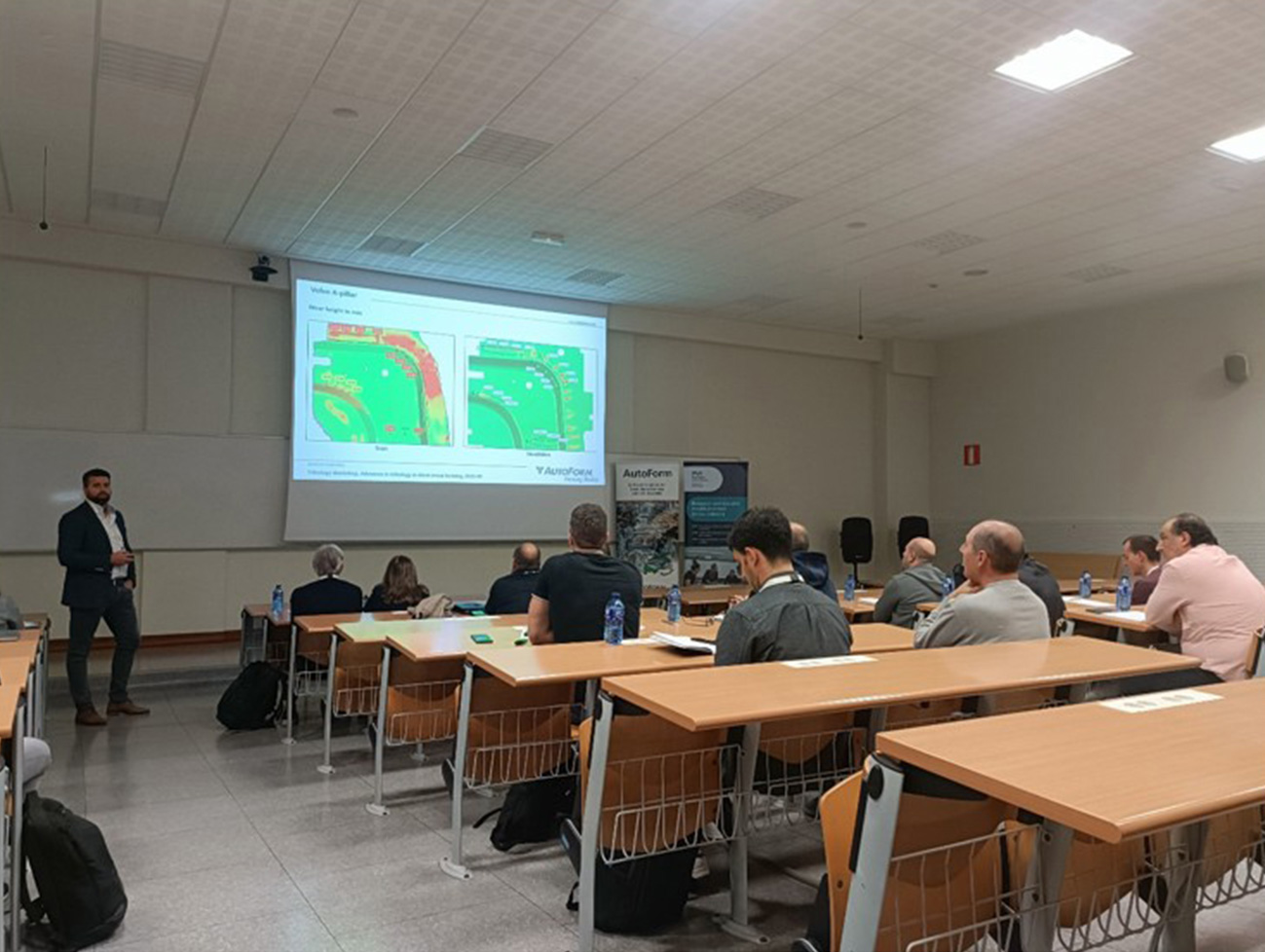
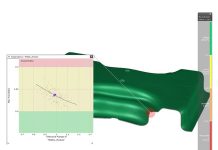
Fig. 1: Johan Hol (AutoForm Netherlands) explores the role of friction in stamping simulation and explains how to model a tribological system using TriboForm
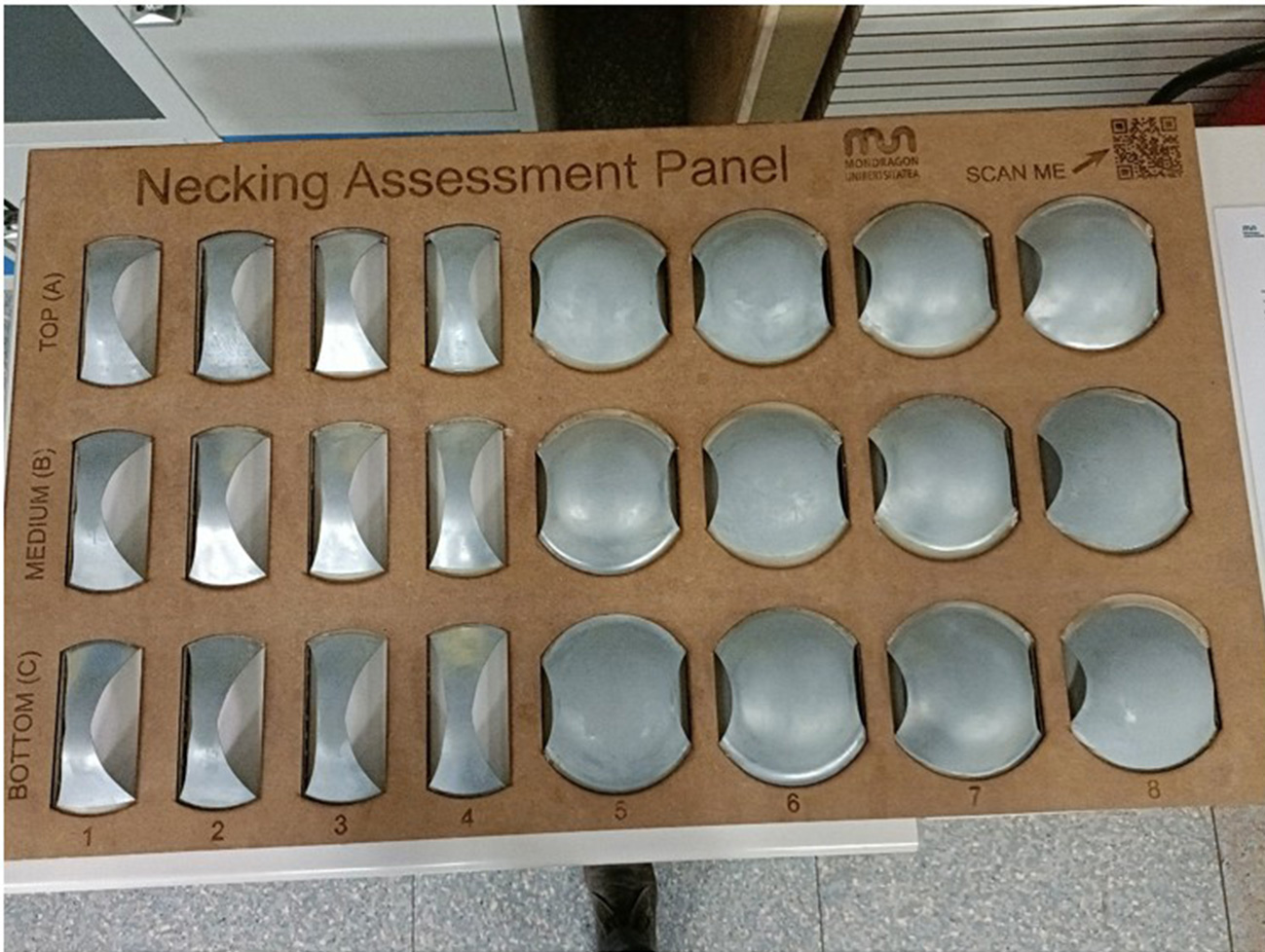
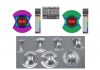
Fig. 2: Mondragon University’s necking assessment panel
The Challenge: Bridging Simulation and Reality
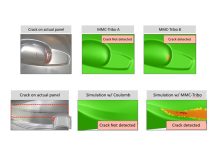
A persistent challenge in sheet metal forming is closing the gap between simulation and real-world production. Without advanced friction modelling, critical failures can be overlooked, leaving engineers to spend valuable time troubleshooting issues that more detailed simulations could have predicted.
Stamping engineers often struggle to relate a dimensionless friction coefficient to actual process behavior. When material variability is added, whether within a single coil, between batches, across suppliers, or due to poorly characterized simulation data, pinpointing the source of an issue becomes even more difficult.
The result is simulations that are disconnected from production reality, leading to inefficient tryouts, wasted engineering effort, delayed production, and compromised quality.
The Old Way: Why Conventional Approaches Fall Short
Traditionally, friction has been treated as a generic value, often provided by the customer or assumed from internal standards. Simulation and tryout have been treated as separate activities, with each department working independently. This approach increases the risk of:
- Overlooking potential failures
- Wasting engineering time
- Failing to anticipate tool wear or maintenance requirements
When simulation and tryout operate as separate workflows, trial and error becomes the default. Drawbeads, binder forces, and tool geometry are adjusted without a systematic approach, while shop floor teams frequently develop their own solutions.
As a result, the history of process changes becomes difficult to track, coordination between departments is limited, and when simulation results fail to match production reality, the burden falls on the tryout team alone. Over time, this erodes confidence in both the simulation software and the engineering process.
Surface Roughness and Advanced Friction: The Key to Predictive Simulation
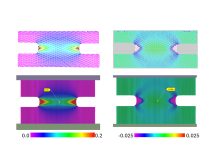
At the event, we showcased the benefits of an integrated approach that combines TriboForm’s simulation capabilities with research findings and collaborative industry projects. This methodology enables engineers to:
- Work with measurable tribological parameters, including sheet and die roughness and lubricant quantity.
- Anticipate failures such as splits, surface defects, and excessive friction.
3.Optimize tool maintenance schedules and reduce unexpected downtime.
- Align simulation outcomes, like springback, more closely with production reality.
The result is a workflow in which simulation becomes proactive rather than reactive, while tryout becomes a validation step rather than an exercise in trial and error.
By modelling friction more accurately, engineers can bridge the gap between virtual predictions and shop floor results, reducing uncertainty, saving time, and improving quality.
Encouraging Wider Adoption: “Use What You Already Have”
During the event, it became clear that approximately one-quarter of the participating companies were already using TriboForm to some extent. Even among these users, however, advanced friction modelling was often reserved for troubleshooting rather than incorporated into standard engineering practice.
One message stood out throughout the event. As Johan Hol, Technical Product Manager at TriboForm, emphasized during the discussions, organizations should standardize their use of TriboForm. Advanced friction modelling does not require longer computation times; it simply requires the appropriate licensing and a commitment to integrating it into everyday workflows. Doing so aligns operations with OEM standards, increases reliability, and ensures that the full benefits of tribological system modelling are realized.
Seeing Tier 1 suppliers in the Bilbao area successfully adopting these practices was especially encouraging. It demonstrated that the benefits of advanced friction modelling are not limited to OEMs. Suppliers are already achieving measurable results.
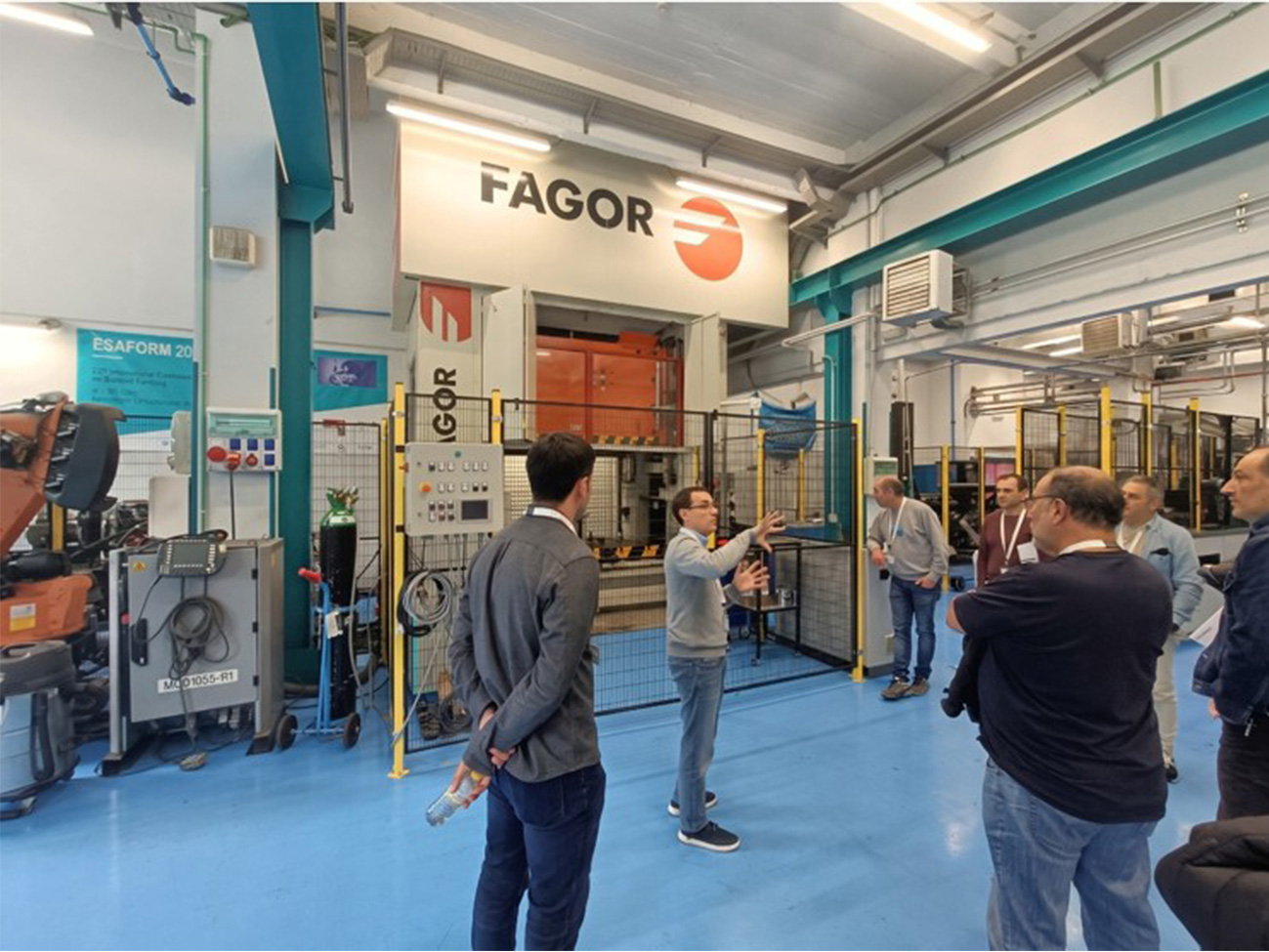
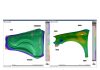
Fig. 3: Visit to Mandragon University’s sheet metal forming test facility, guided by Eneko Sáenz de Argandoña
TOOL-WEAR: The Next Frontier
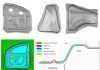
Another exciting development presented by Johan Hol was the recently released TOOL-WEAR model in TriboForm, which simulates both abrasive wear and galling damage to production tooling. By predicting how tools degrade over time, engineers can proactively prevent negative impacts on part quality, including poor surface finish, changes in hardness, and geometric distortion, while planning maintenance schedules that extend tool life and reduce unexpected downtime.
This innovative solution incorporates dedicated wear evolution models that capture both progressive material removal caused by abrasion and the transfer of sheet material during adhesive wear. Integrating these models with inputs from TriboForm’s friction model is essential for accurately representing both wear mechanisms.
Temperature effects are also taken into account. Beyond a certain threshold, lubrication fails, initiating material transfer between the sheet and tool surfaces. This is particularly important in hot stamping processes, where lubrication is not used, making wear assessment and its integration into maintenance planning essential.
Experimental data collected from part or tool scans after defined production volumes can be obtained in most press shops. These measurements close the loop by determining the wear rate used as input for the wear models, allowing engineers to predict the number of press strokes required to reach the abrasive or adhesive wear limits defined in the TriboForm libraries.
Key Takeaways for Stamping Engineers
The Mondragon University event highlighted several key benefits of fully adopting TriboForm:
- Enhanced simulation accuracy: Measurable friction and surface roughness inputs produce simulations that more closely reflect production reality.
- Problem prevention: Identify issues before they occur in production, reducing trial and error and saving engineering time.
- Tool longevity: Predictive wear simulation enables proactive maintenance planning.
- Standardization and industry alignment: Using TriboForm as a standard engineering tool aligns operations with OEM requirements and industry best practices.
- Collaboration and knowledge transfer: Exposure to research, OEM success stories, and peer experiences encourages innovation and wider adoption.
Maximize Insights to Unlock True Value
What I witnessed at Mondragon University highlighted a clear opportunity for stamping engineers: the tools for advanced friction modelling and tool wear prediction are already in your hands. The question is whether you’re ready to go deeper, embed these tools into your workflow, and unlock their full potential.
By combining AutoForm-TriboForm’s capabilities with research insights and collaborative industry projects, engineers can bridge the gap between simulation and production reality, reduce uncertainty, optimize maintenance, and ultimately improve both quality and efficiency.
At AutoForm Spain, our commitment extends beyond providing advanced software solutions. We also strive to foster collaboration within the sheet metal forming community. Through events like this, we bring together industry, researchers, and customers, helping stamping engineers tackle real-world challenges and advance forming practices together.
For those looking to stay ahead, the takeaway is simple: use the tools you already have, measure what you can, standardize your approach, and watch the results transform your operations.