To address challenges in the automotive die industry, including insufficient simulation accuracy, inconsistent quality, high manufacturing costs, and long delivery cycles, Hubei Shiyan Xianfeng Metal Forming Co., Ltd. implemented the AutoForm ASQ Supplier Qualification Improvement Project. The project focused on end-to-end digitalization, consistency between simulation and manufacturing, and standardized processes. Through technical training, process reengineering, organizational optimization, equipment testing, standards upgrades, and system audits, it improved quality and cost performance while strengthening delivery processes.
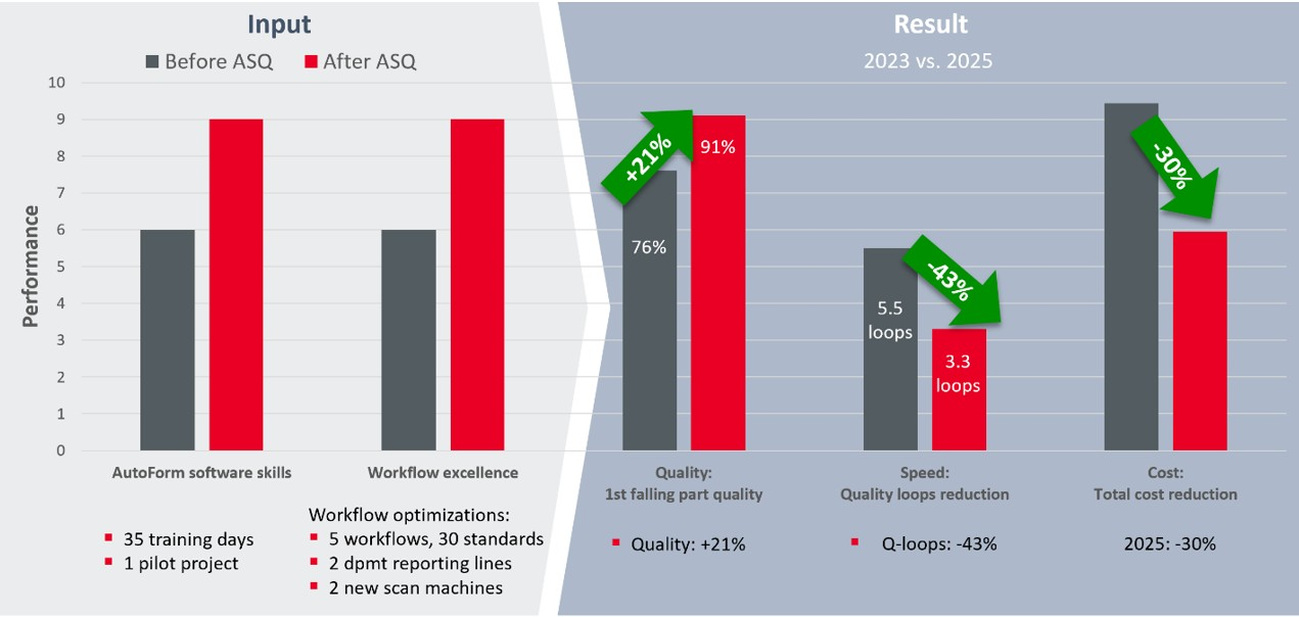
Following implementation, the company reported an average 21% increase in the first-sample qualification rate, a 43.1% reduction in average die-modification loops, and a 30% reduction in overall manufacturing costs compared with 2023. The company also passed the official ASQ audit and received certification.
This article describes the project background, technical approach, process improvements, and quantitative results, offering a practical reference for digital transformation and supplier capability development in the automotive die industry.
1 Project Background and Objectives
As the automotive industry moves toward lighter vehicles, greater precision, and shorter development cycles, OEMs are placing greater demands on die suppliers for simulation reliability, dimensional accuracy, cost control, and rapid delivery. Xianfeng Metal Forming faced several significant operational bottlenecks:
- Quality (Q): Significant deviations between CAE simulation results and actual forming results made it difficult to consistently meet OEM quality standards;
- Cost (C): Repeated debugging, modification, and rework increased manufacturing costs;
- Delivery (D): Inconsistent workflows and process variation contributed to long delivery cycles.
To address these bottlenecks, the company introduced the AutoForm ASQ Supplier Qualification Improvement Project with the following objectives:
- Achieve end-to-end digitalization of die development and manufacturing and improve the reliability of simulation results;
- Establish the closed-loop working principle: “Simulate what can be built, build what has been simulated”;
- Improve the processes and standards used by the Technology, Machining, Tryout, and Quality departments;
- Achieve software compliance, process stability, controllable quality, optimized cost, and faster delivery;
- Obtain official ASQ certification to strengthen access to OEM customers and improve market competitiveness.
2 Project Implementation and Technical Path
The project was launched in January 2024, and certification was completed in May 2025. Its stages included project launch, assessment and training, pilot verification, process and standards upgrades, equipment testing, system audits, and the certification ceremony.
2.1 Project Launch and Strategic Cooperation
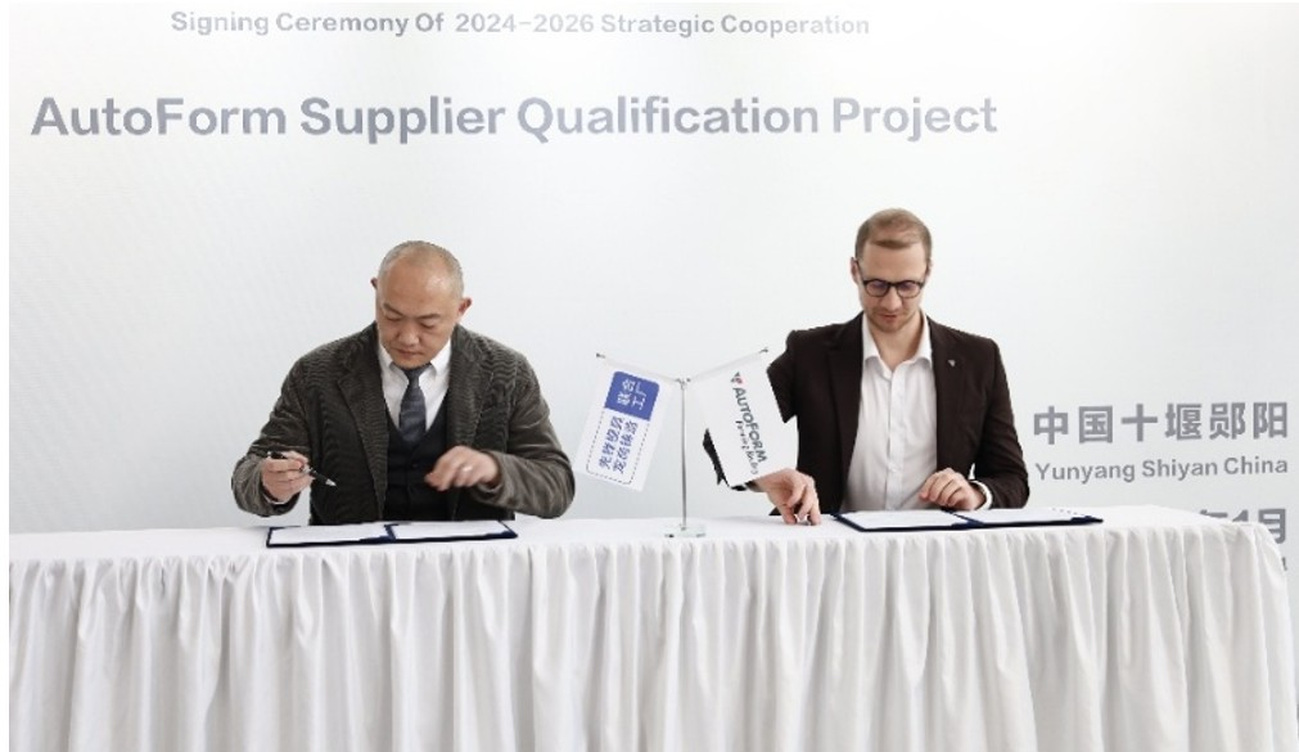
On January 11, 2024, Xianfeng Metal Forming and AutoForm held a strategic cooperation signing ceremony and project kickoff meeting in Yunyang, Shiyan, Hubei. The meeting officially launched the 2024–2026 long-term ASQ improvement plan to advance digital transformation and systematic capability development.
2.2 Technical Investigation and Special Training
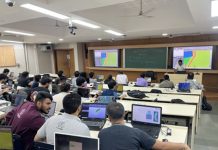
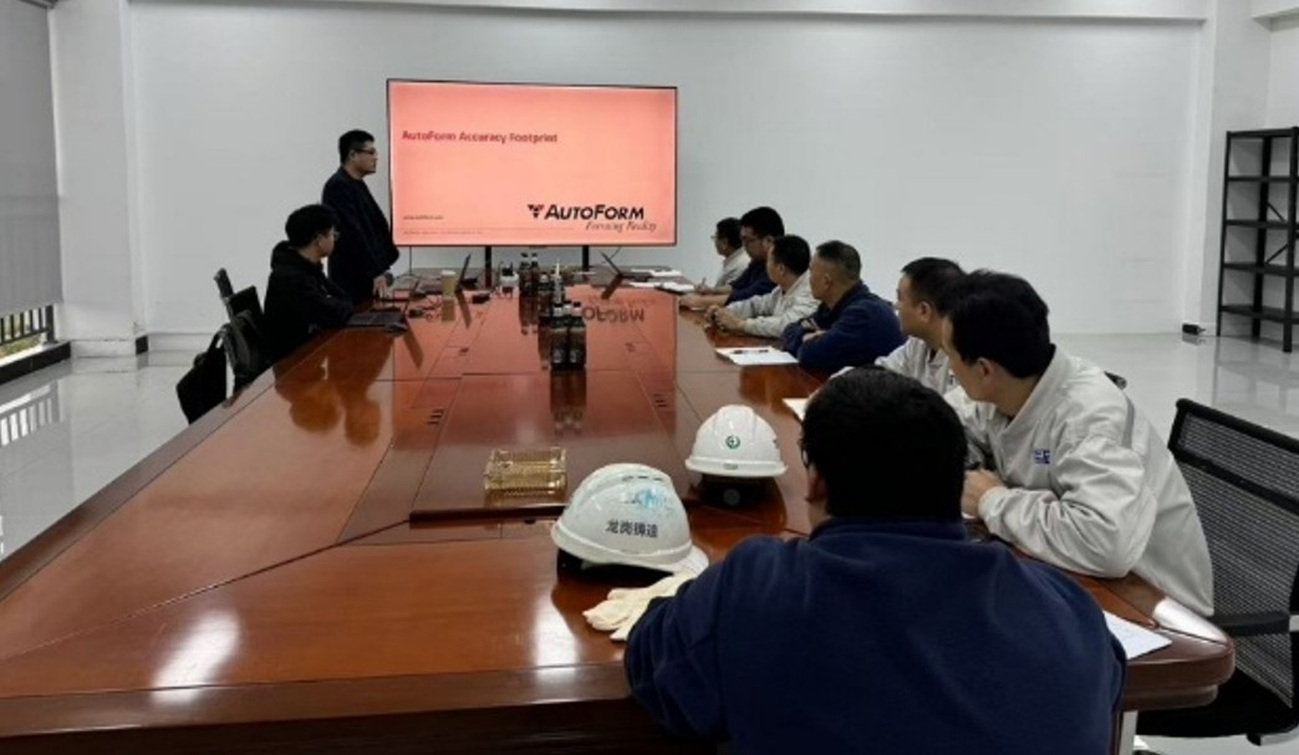
The project team conducted in-depth interviews with the Technology, Machining, Tryout, and Quality departments to identify process gaps and technical weaknesses. Training focused on digital simulation and high-precision die manufacturing, covering:
- Die-surface compensation and robustness analysis;
- Material and friction modeling, Elastic Tool Deflection (ETD), and engineering tryout data;
- Application of the AutoForm Accuracy Footprint.
2.3 Full-Process Verification of Pilot Projects
Using typical dies as pilot projects, the AutoForm and Xianfeng Metal Forming teams collaborated throughout the process, followed the recommended approach, and implemented closed-loop corrective actions. They established two core implementation principles:
- Simulate what can be built
- Build what has been simulated
2.4 Organizational Structure and Process Optimization
- Organization optimization: The team reviewed and adjusted the structure of the core departments, clarified responsibilities across design, process engineering, CAM, die-surface preparation, machining, tryout, and quality, and improved cross-departmental collaboration;
- Press-deflection testing: The team measured the deflection of seven presses across the plant, obtained precise equipment data, and used the findings to support die-surface compensation and forming-accuracy control.
2.5 Process and Standards Improvements Across Departments
The project reengineered processes and upgraded standards across the four core departments: Technology, Machining, Tryout, and Quality. This created a standardized system that could be implemented, tracked, and audited:
- Technology Department: Updated the process-design workflow, incorporated robustness analysis into the standard process, and improved specifications for 3D design, die-surface preparation, and engineering changes;
- Machining Department: Optimized the CAM workflow, added post-machining quality-inspection steps, and introduced scanning equipment to improve machining accuracy and consistency;
- Tryout Department: Established a pre-tryout inspection mechanism and standardized debugging, fitting, assembly, and quality-improvement activities;
Quality Department: Established a mechanism for verifying consistency between simulation and physical results, coordinated end-to-end quality control, and promoted cross-department problem-solving.
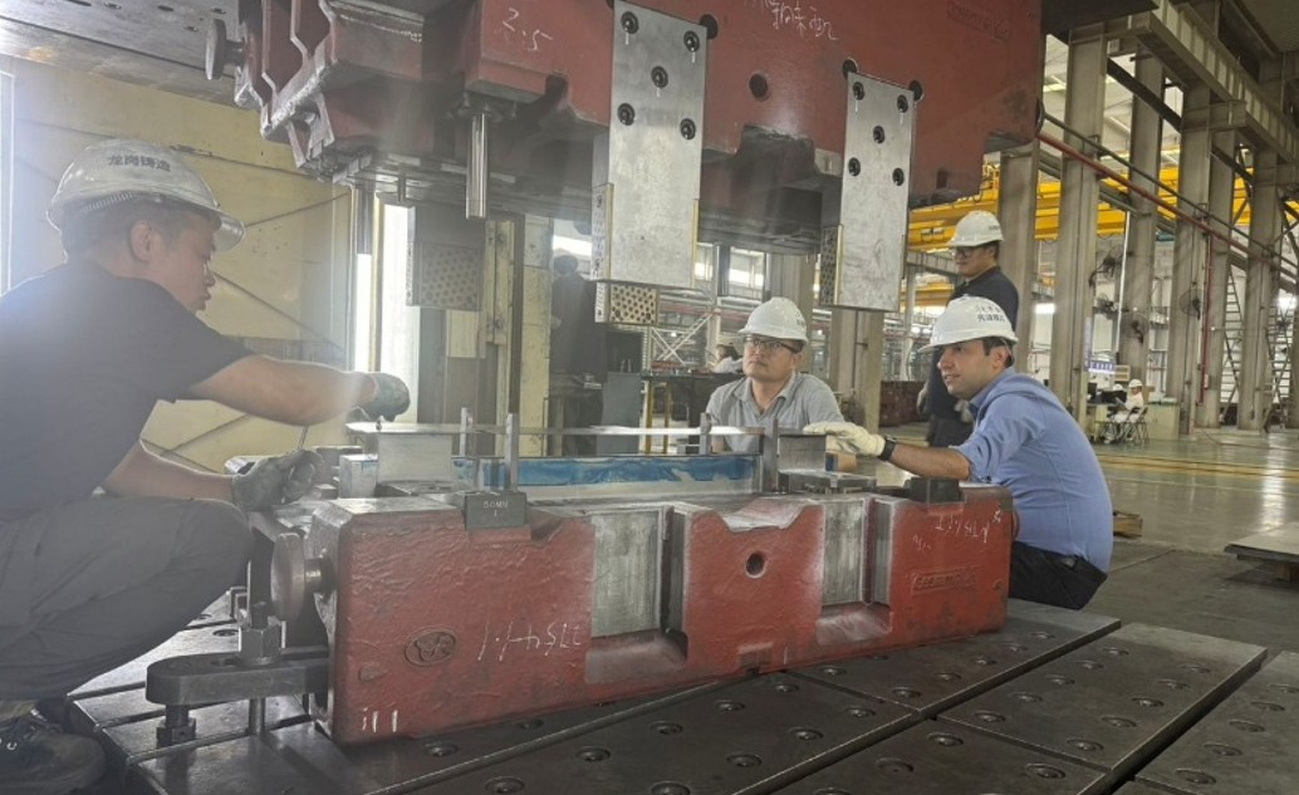
The project team reviewed and updated more than 400 documents, optimized more than five core processes, upgraded more than 30 technical and operational standards, and established a comprehensive standards system covering design, machining, assembly, tryout, and quality.
2.6 System Audit and Certification Ceremony
Following an official AutoForm audit, the processes and standards of all four departments—Technology, Machining, Tryout, and Quality—were found to meet ASQ certification requirements. On May 13, 2025, Xianfeng Metal Forming held its certification ceremony and officially received ASQ certification, confirming its status as a qualified supplier.
3 Project Results and Quantitative Analysis
Using quality, cost, and delivery as the core performance dimensions, the project delivered measurable improvements in quality and cost while establishing more stable and standardized delivery processes.
3.1 Significant Quality Improvement
- Compared with 2023, the company reported an average 21% increase in the first-sample qualification rate. Across the projects assessed, no first-sample qualification rate fell below 60%, and the proportion of projects with a rate above 90% increased to 45%. These results indicate greater quality stability and stronger alignment with OEM requirements.
- Average die-modification loops (Q-loops) decreased by 43.1% compared with 2023.
3.2 Effective Cost Reduction
By reducing rework, improving processes, and increasing the first-sample qualification rate, the company reported a 30% reduction in overall manufacturing costs compared with 2023, improving profitability.
3.3 Mature Processes and Systems
The project established a standardized manufacturing system driven by digital simulation, achieving a high level of consistency between simulation and physical results. The system is repeatable, scalable, and auditable.
3.4 Market and Brand Value Improvement
- AutoForm recommended Xianfeng Metal Forming to mainstream OEMs and Tier 1 suppliers.
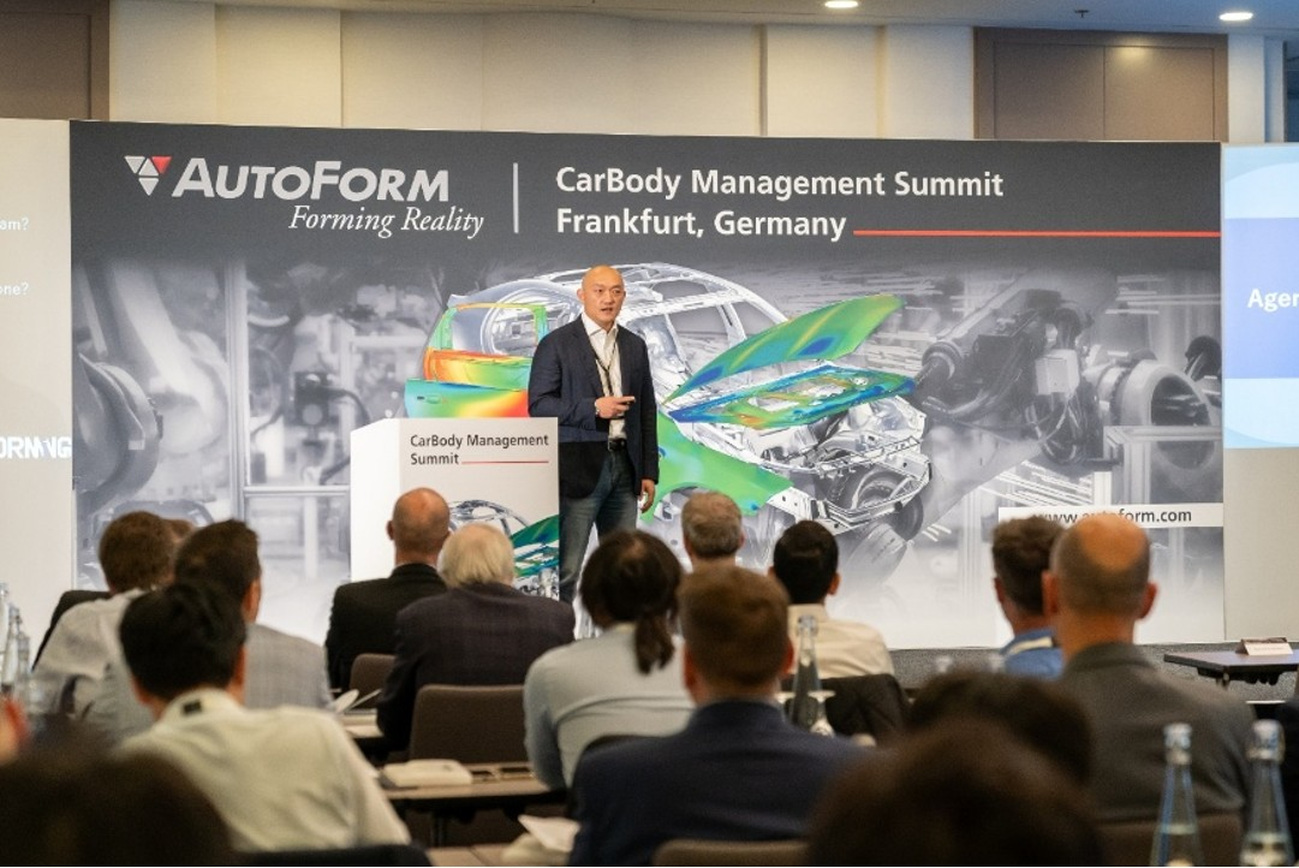
- The company’s CEO was invited to speak at CBMS 2025 in Frankfurt, Germany, further strengthening the company’s industry visibility.
4 Conclusion and Industrial Implications
The successful implementation of the AutoForm ASQ Supplier Qualification Improvement Project at Xianfeng Metal Forming demonstrates how digital simulation, systematic standards, and end-to-end closed-loop control can help die manufacturers address quality, cost, and delivery challenges. Through technical capability development, process reengineering, organizational optimization, and standards implementation, the project supported the transition from experience-driven manufacturing to a data- and standards-driven approach. It delivered measurable improvements in quality and cost while strengthening process stability and delivery reliability.
This case provides a practical roadmap for digital transformation among automotive die and stamping-parts manufacturers in China. It also offers guidance for improving supplier capabilities and meeting the requirements of demanding vehicle programs.