Modern battery trays must deliver structural integrity, crash protection, sealing performance and lightweighting, while accommodating increasingly large battery packs. For automotive manufacturers, this combination of requirements creates a difficult manufacturing challenge, particularly when aluminium is the material of choice.
Against this backdrop, AP&T, a global supplier of hot forming and press hardening production systems, is exploring new ways to extend the capabilities of aluminium hot forming. In this blog we explore how AP&T’s Tailored Temperature Management System (TTMS) uses localised cooling to improve formability in geometries that have traditionally proven difficult to manufacture through conventional hot forming processes.
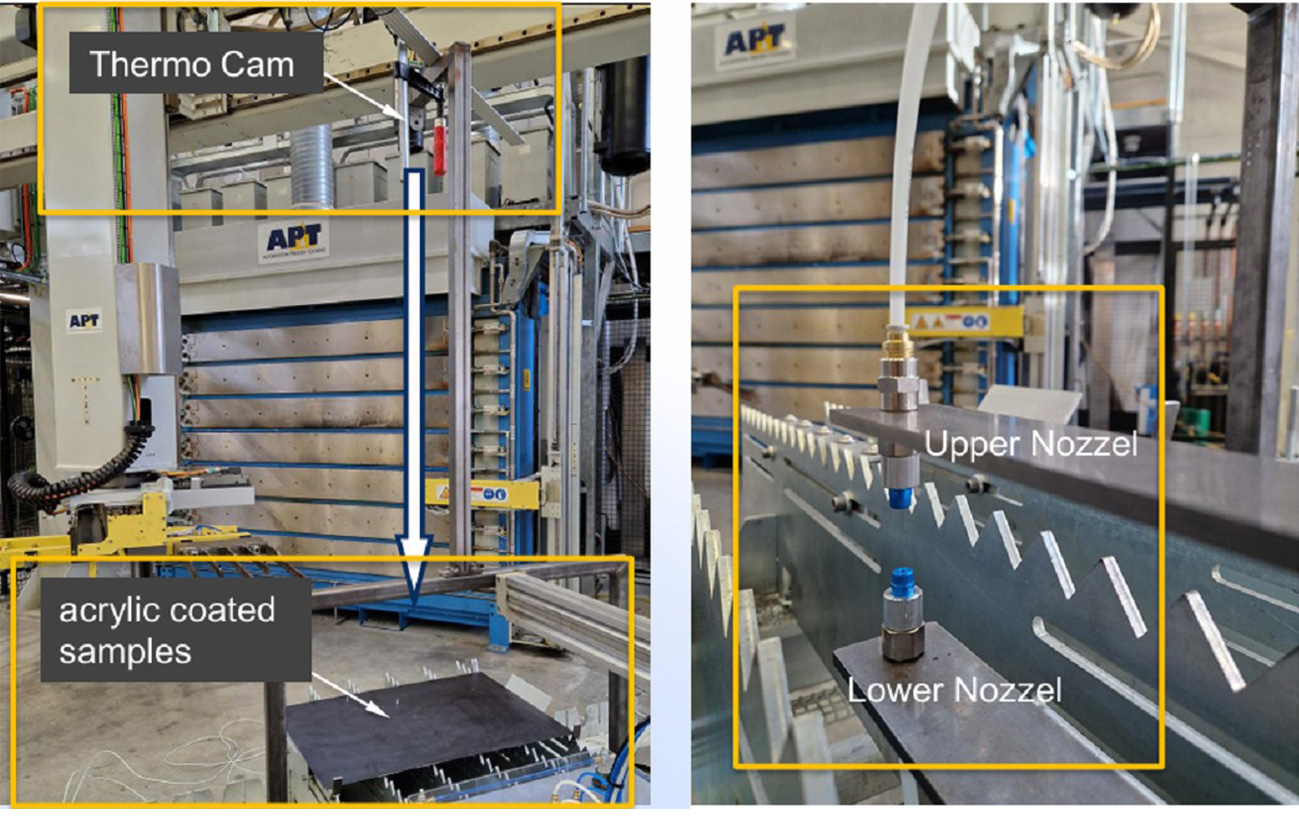
Fig. 1: Thermal camera and cooling nozzles of the TTMS method
What AP&T Is Bringing to the Market
Aluminium hot forming has long been valued for its ability to produce complex shapes that cannot be formed successfully in conventional cold-forming operations. Our expertise centres on complete hot-forming production lines that combine precision heating, automation, forming and quenching technologies.
However, our latest work addresses a problem that many manufacturers may not realise exists: simply increasing temperature does not automatically improve formability for every geometry. While hot forming generally offers greater formability than cold forming, certain deep-drawn structures can still encounter severe thinning and material failure.
Our response is TTMS, a process that introduces an intermediate local cooling step between the furnace and the forming press. Rather than maintaining a uniform temperature across the sheet, selected areas are cooled before forming begins, creating a deliberately engineered temperature distribution.
The attraction for manufacturers is straightforward: the approach can significantly improve formability while requiring relatively little additional investment compared with the cost of a complete hot-forming line.
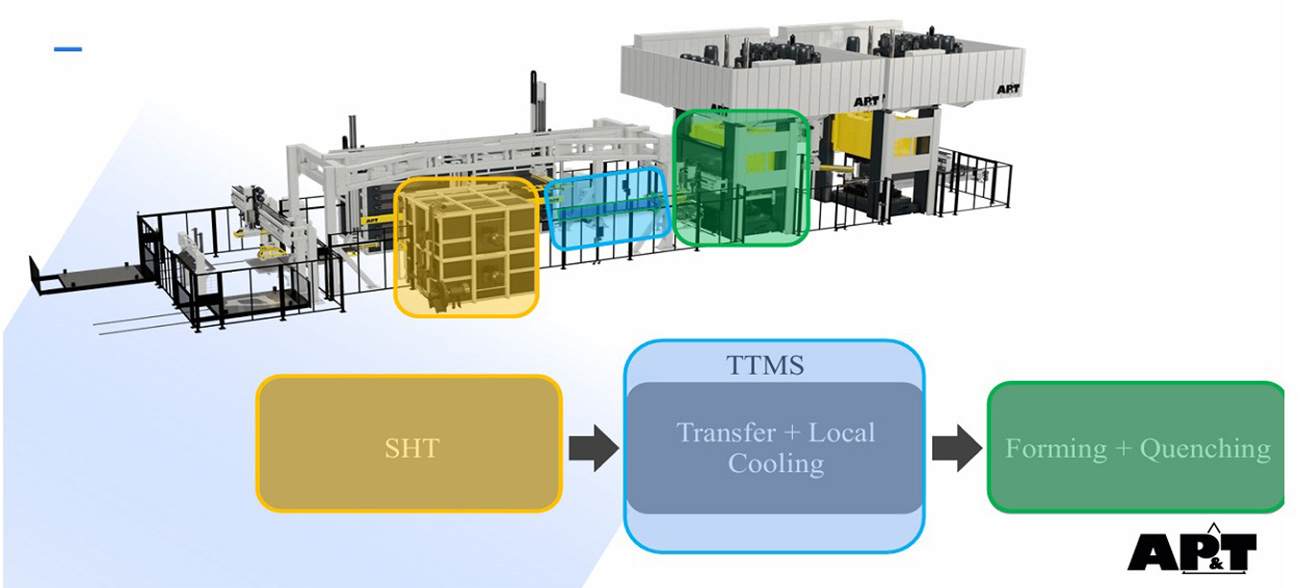
Fig. 2: TTMS introduces local cooling between solution heat treatment and forming.
Conventional Manufacturing Versus the New Approach
Traditionally, manufacturers faced with highly complex steel and aluminium geometries have often relied on multi-stage cold-forming processes. Producing deep battery trays may require several forming operations, multiple tools and, in some cases, assembly of separate components rather than forming a single integrated structure.
Our customers have frequently approached us with battery tray concepts that could not be manufactured using conventional aluminium hot forming as the part would fail during forming. The alternatives were either redesigning the enclosure or adopting a more complex multi-stage production strategy.
Our TTMS concept aims to change that equation. By selectively cooling critical regions immediately before forming, manufacturers gain better control over material flow. The process preserves higher strength where thinning would normally occur while allowing sufficient ductility elsewhere in the component.
An important advantage is the engineering efficiency. Instead of designing multiple tools and simulating several forming stages, manufacturers can potentially achieve the required geometry using a simpler process route which further allows for a broader range of products on the same production line.
Customer-Inspired Case Study: Battery Tray Manufacturing
The demonstrator of our recent research is a battery tray developed from real customer requirements. While confidentiality restrictions prevented the use of an actual customer component, we analysed numerous battery tray designs and created a representative geometry based on common dimensions and challenges observed across the market.
The resulting demonstrator featured a 95 mm drawing depth, a width of 1,265 mm and a length of 1,670 mm, representing an aggressive deep-drawn battery housing geometry.
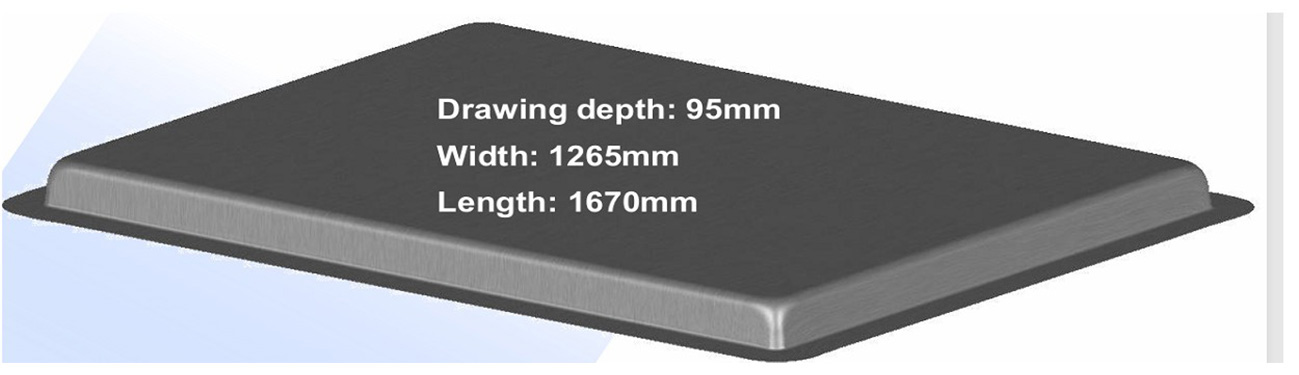
Fig. 3: Representative battery tray used for feasibility analysis.
The analysis quickly revealed the core challenge. Our simulation identified severe splitting risks around the tray corners where tight radii and significant drawing depth create extreme deformation demands.
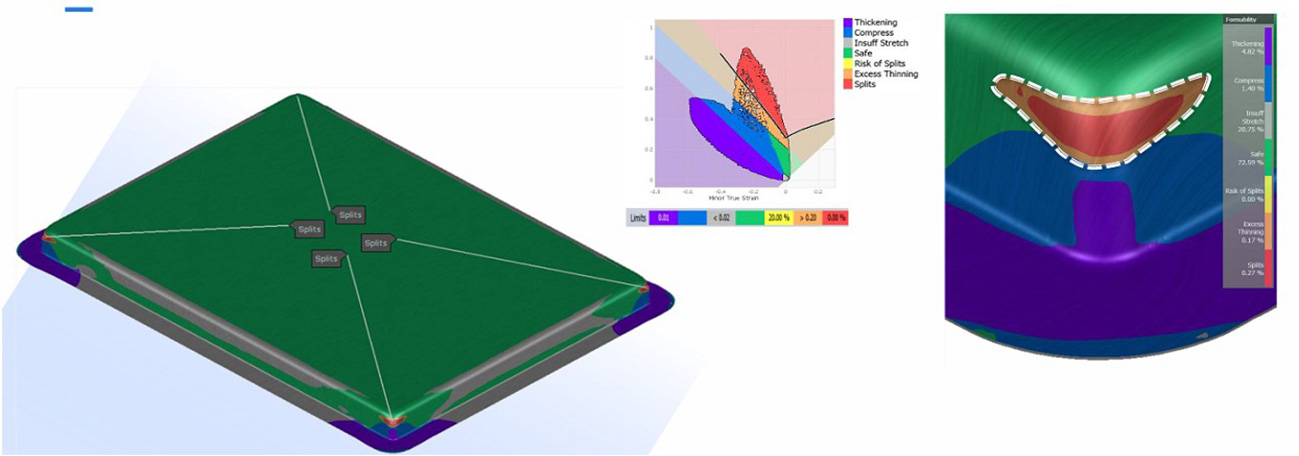
Fig. 4: Initial formability analysis highlighting split risks in critical corner regions.
The root cause lies in temperature variation during forming. It’s the hotter zones which become softer and transmit forming forces less effectively. The result is excessive local thinning followed by cracking.
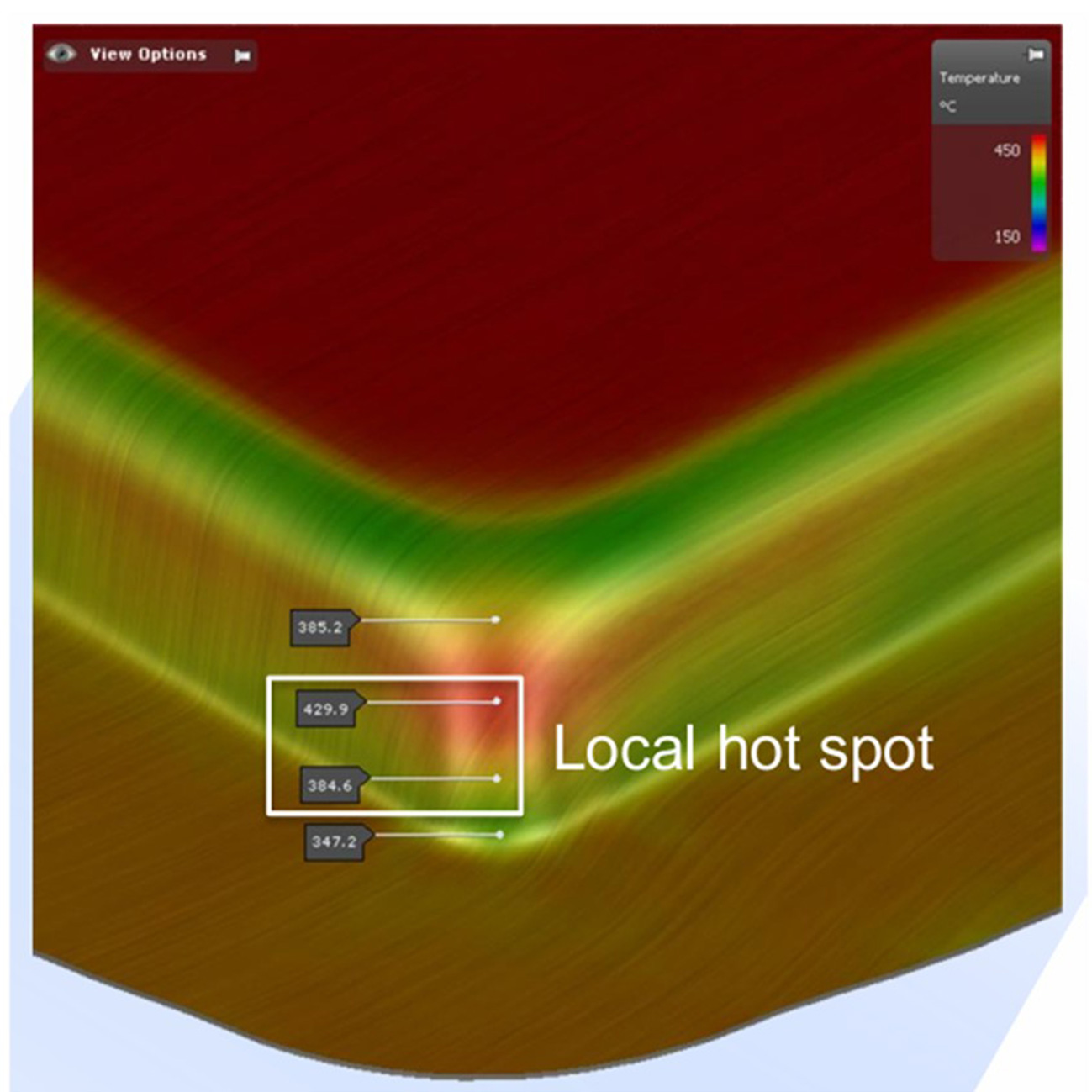
Fig. 5: Local hot spots create strength imbalances that drive excessive thinning.
Our solution involved introducing localised cooling directly into the affected wall regions before forming. Achieving this required extensive experimental validation. Our team developed a dedicated test stand featuring air nozzles positioned above and below heated aluminium sheets. Thermal cameras and thermocouples were used to measure cooling rates, cooling footprint size and temperature distribution. That data was then used to calibrate AutoForm simulations.
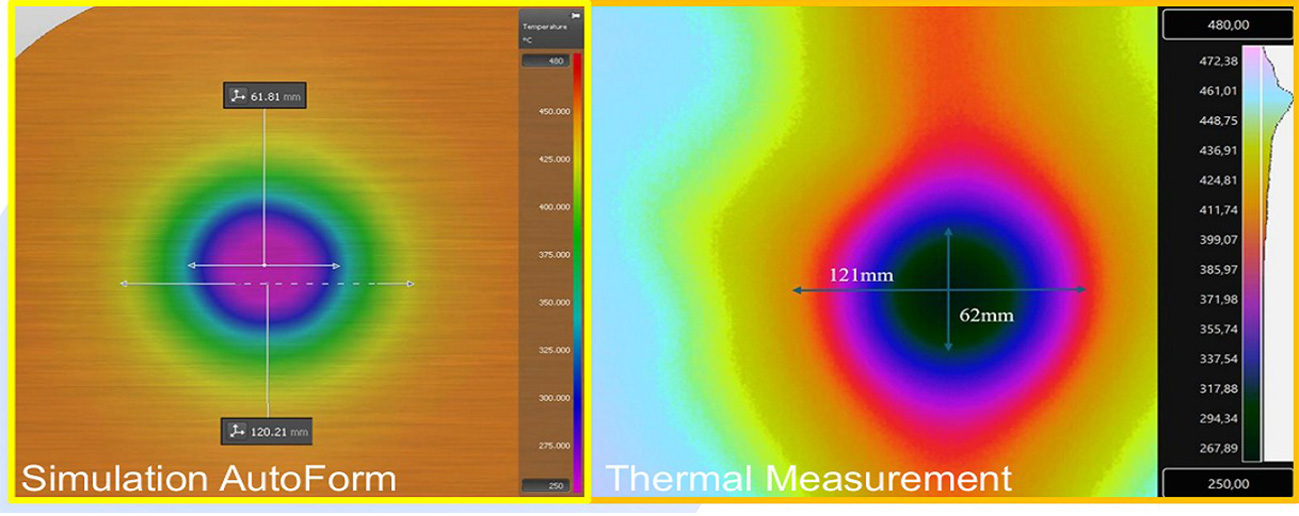
Fig. 6: Correlation between thermal-camera measurements and AutoForm simulation.
The simulation results were striking. Without local cooling, large hot spots developed in the wall region, creating non-uniform material flow and severe thinning. With TTMS applied, temperatures became significantly more uniform and noticeably lower in critical locations. This reduced softening and strengthened the material where it mattered most.
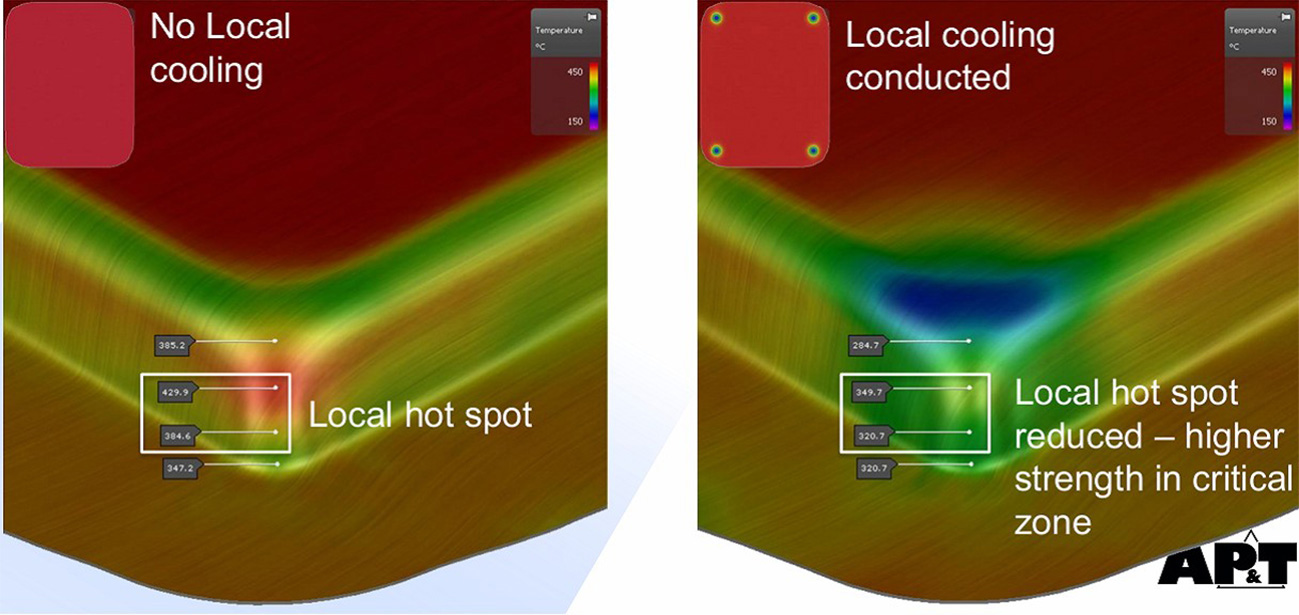
Fig. 7: Temperature distribution comparison with and without local cooling.
Most importantly, the thinning results improved dramatically. The simulation predicted maximum thinning of nearly 40% without local cooling, compared with approximately 12% when TTMS was applied. Without local cooling, the level of thinning without cooling would lead to cracking in production, whereas the use of TTMS provides a viable result for aluminium hot forming.
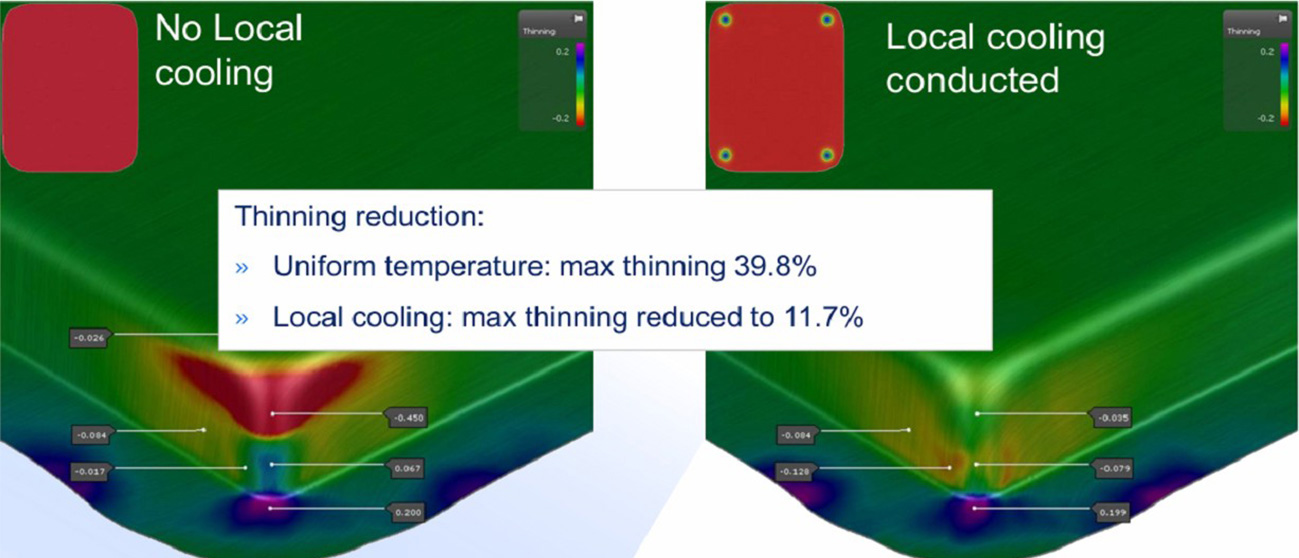
Fig. 8: Local cooling reduces predicted thinning from nearly 40% to about 12%.
The Role of Simulation and Digital Validation
TTMS would not be practical without advanced simulation capabilities. Determining where to place cooling zones, how large they should be and how rapidly cooling should occur requires detailed predictive engineering.
At AP&T we invested heavily in validating the underlying material models, heat-transfer coefficients, friction data and press-motion behaviour used in AutoForm. Our models have been refined through years of research and industrial projects dedicated to aluminium hot forming.
Our company first validated thermal behaviour experimentally before applying the concept to battery tray simulations. Hardness measurements performed after local cooling showed no significant negative effect on mechanical properties for the investigated alloys, providing additional confidence in the process.
Conclusion
As EV battery structures continue to evolve, manufacturers are being asked to produce larger and more complex aluminium components than ever before. Conventional hot forming remains a powerful solution, but certain battery tray geometries expose limitations that can lead to excessive thinning and cracking.
Our AP&T Tailored Temperature Management System offers a compelling new approach. By introducing carefully controlled local cooling immediately before forming, we have demonstrated the potential to significantly improve formability while maintaining the flexibility of hot-forming production lines.
The battery tray demonstrator showed how simulation-driven optimisation can transform a component that would otherwise fail into a viable manufacturing candidate. Just as importantly, the work highlights the growing importance of digital validation in modern production development.
Looking ahead, our next objective is to validate the technology on a physical battery tray demonstrator. We are certain that localised thermal management will become an important enabling technology for future lightweight EV architectures, helping manufacturers push beyond today’s forming limits while reducing development risk.
On behalf of AutoForm and our FormingWorld.com readers, we would like to thank Michael Machhammer from AP&T for this excellent post. Also thanks to AutoForm’s Marcus Olofsson who organized this story.